Hojicha in Tbilisi
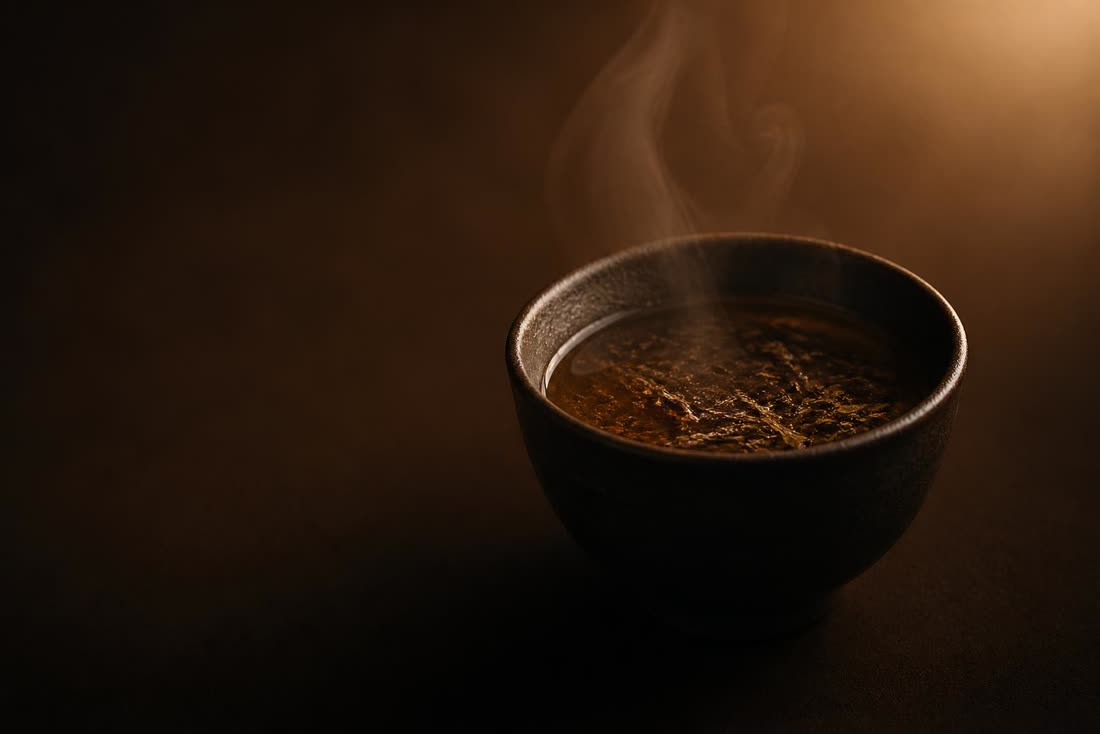
Green tea that has been roasted until it is brown, and tastes of caramel and toasted rice rather than grass. Most of the caffeine burns off in the roast, which makes it the cup you can have at nine at night.
Green tea that has been roasted until it is brown, and tastes of caramel and toasted rice rather than grass. Most of the caffeine burns off in the roast, which makes it the cup you can have at nine at night.
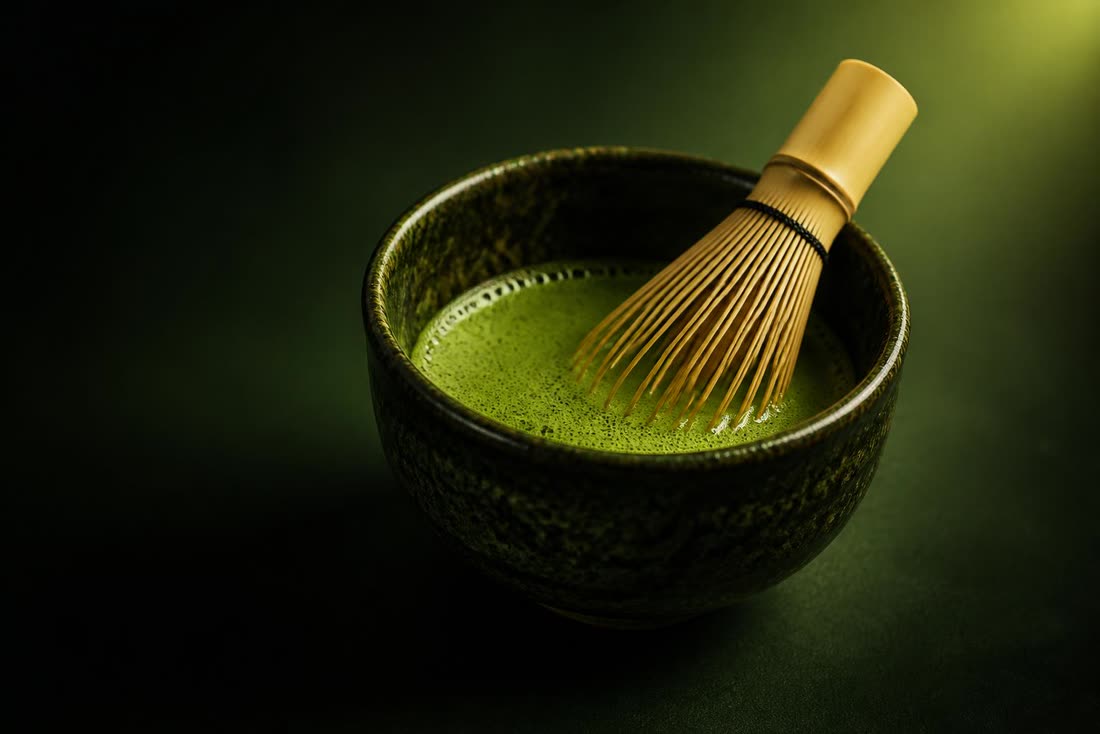
Hojicha starts as the same Japanese green tea as sencha, then goes into a roasting drum until the leaf turns reddish brown. Roasting drives off most of the caffeine and all of the astringency, and builds the caramel and cocoa notes in its place. Ours is milled to a powder, so you whisk it like matcha instead of steeping it.
Sift 3 g into a bowl, add 60 ml of water — hojicha is forgiving, so 90 °C is fine — whisk, then pour over 180 ml of milk. It is the one powder here that is arguably better hot than iced, and it takes honey the way matcha never quite does.
Because you use less of it and because good roasted leaf is harder to find than good green. A 3 g serving from a 100 g bag is about thirty three cups, which works against the matcha tins more evenly than the price per gram suggests.
Far less than matcha — roughly a fifth of a cup of coffee. It is the one we recommend for the evening or for anyone cutting down.
Not really. If you dislike the grassy note in green tea, hojicha is the one to try — it reads closer to a light coffee or a toasted-rice tea.
It is the usual choice in Japan for exactly that reason, though it is not caffeine free. If you want none at all, ube is the one.
Delivery across Tbilisi, usually the same day or the next. Message us on Instagram, or add it to the cart and check out on the site — pay by bank transfer or cash on delivery.
Wholesale for cafes, bakeries and shops: the 500 g and 1 kg tiers are already the wholesale price, with no minimum order beyond them. Tell us what you pour in a month and we will quote you.
Keep the tin closed, cool and out of the light. Matcha fades in daylight and picks up smells in a fridge, so a cupboard beats a fridge door. Once opened it is at its best within two months.