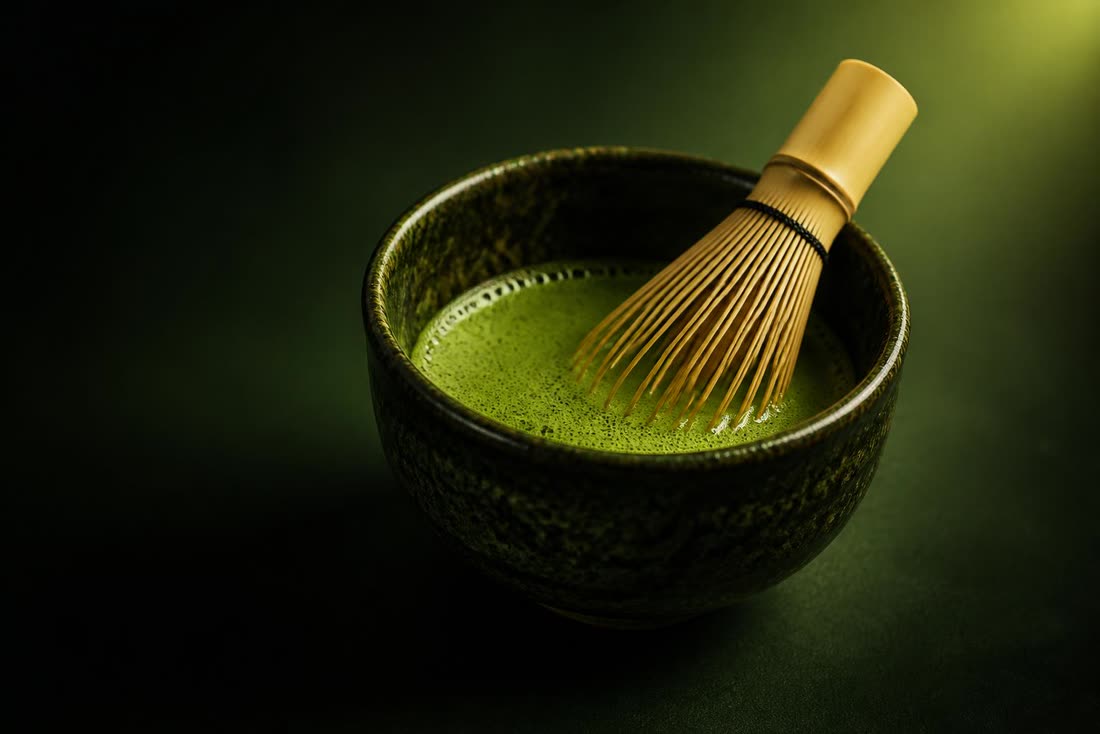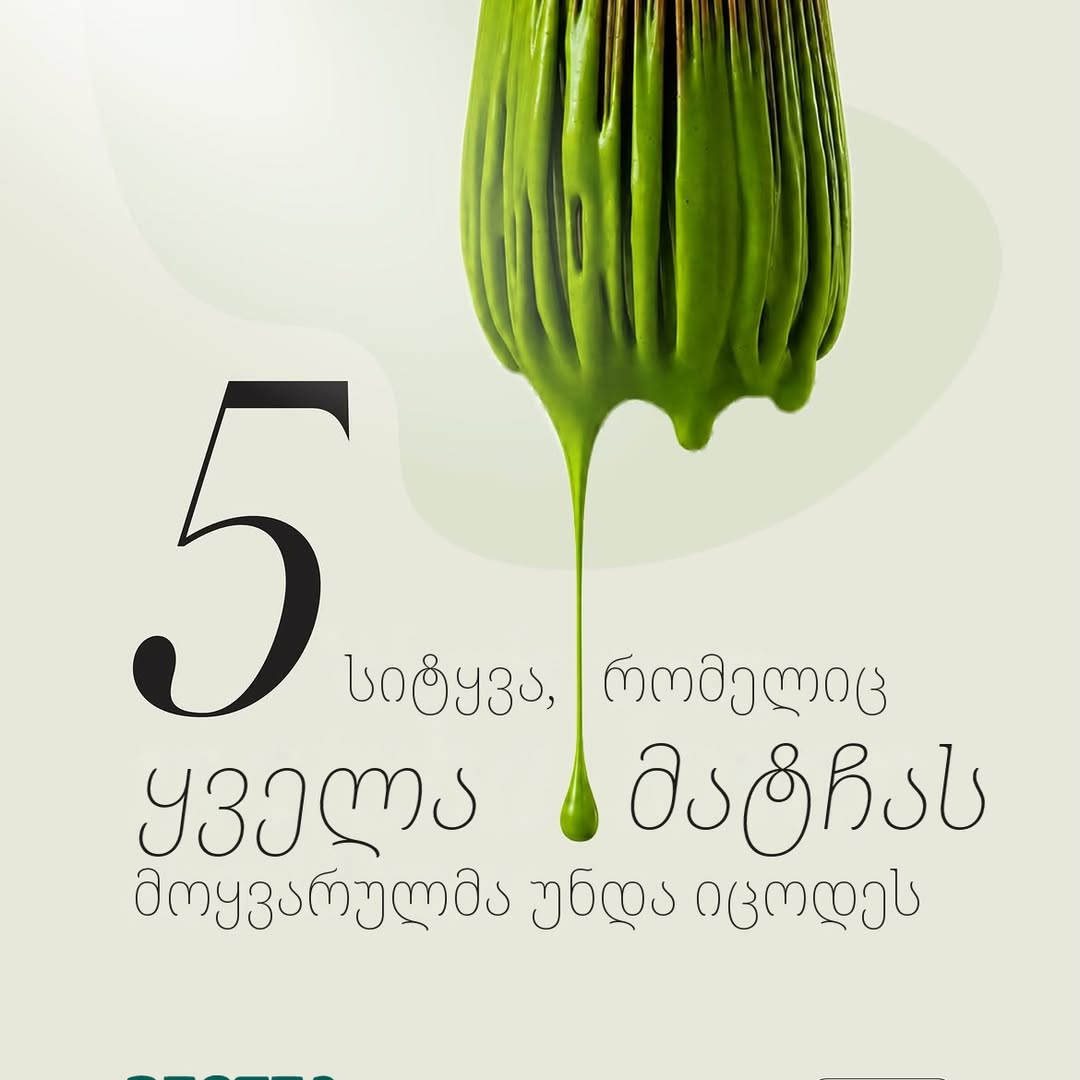
Five words for tasting matcha
Most people have one word for matcha, and the word is bitter. It is not much use, because it describes the same thing whether the leaf came from a late summer harvest or from the first spring picking. Five words do the job properly: origin, harvest, umami, cultivar and astringency. Learn what each one points at and you can say why a bowl tastes the way it does instead of guessing.
Origin — where the leaf grew
Where matcha grows changes how it tastes. Different regions of Japan have different weather, different soil and different growing conditions, and all of that ends up in the cup. Kagoshima, at the southern end of the country, is known for soft, lively matcha — balanced sweetness with plenty of umami. The same plant in a different soil gives you a completely different bowl.
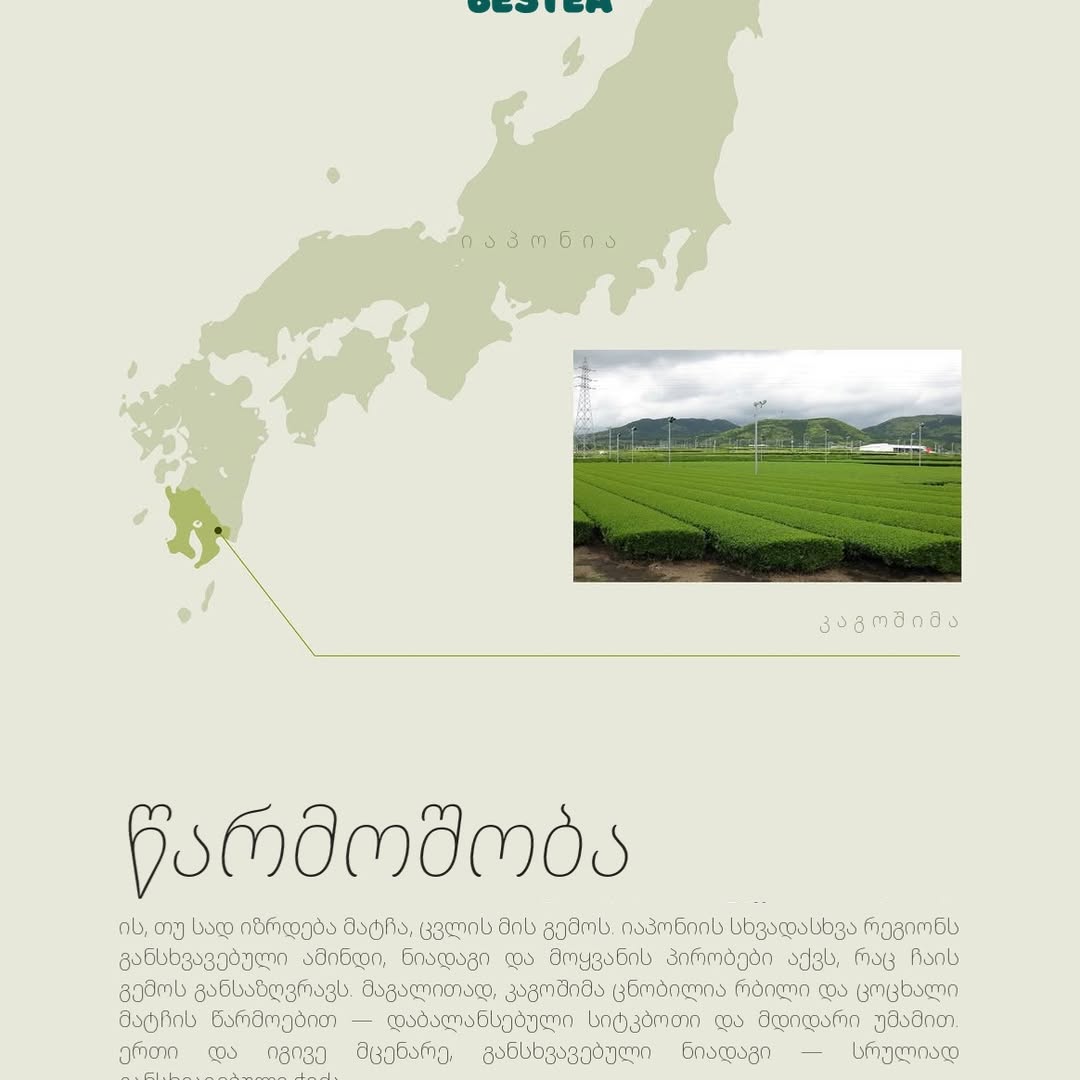
This is why a tin that says only "Japan" tells you less than a tin that says where in Japan. Region is not decoration on the label. It is the first thing that sets the range of flavours you are going to get.
Harvest — when it was picked
Timing decides almost everything else. The first spring picking gives the youngest, most tender leaves of the year, and those leaves are naturally sweeter, softer and richer in umami. Later harvests are usually sharper, less sweet and more astringent. The best matcha comes from that first pick.
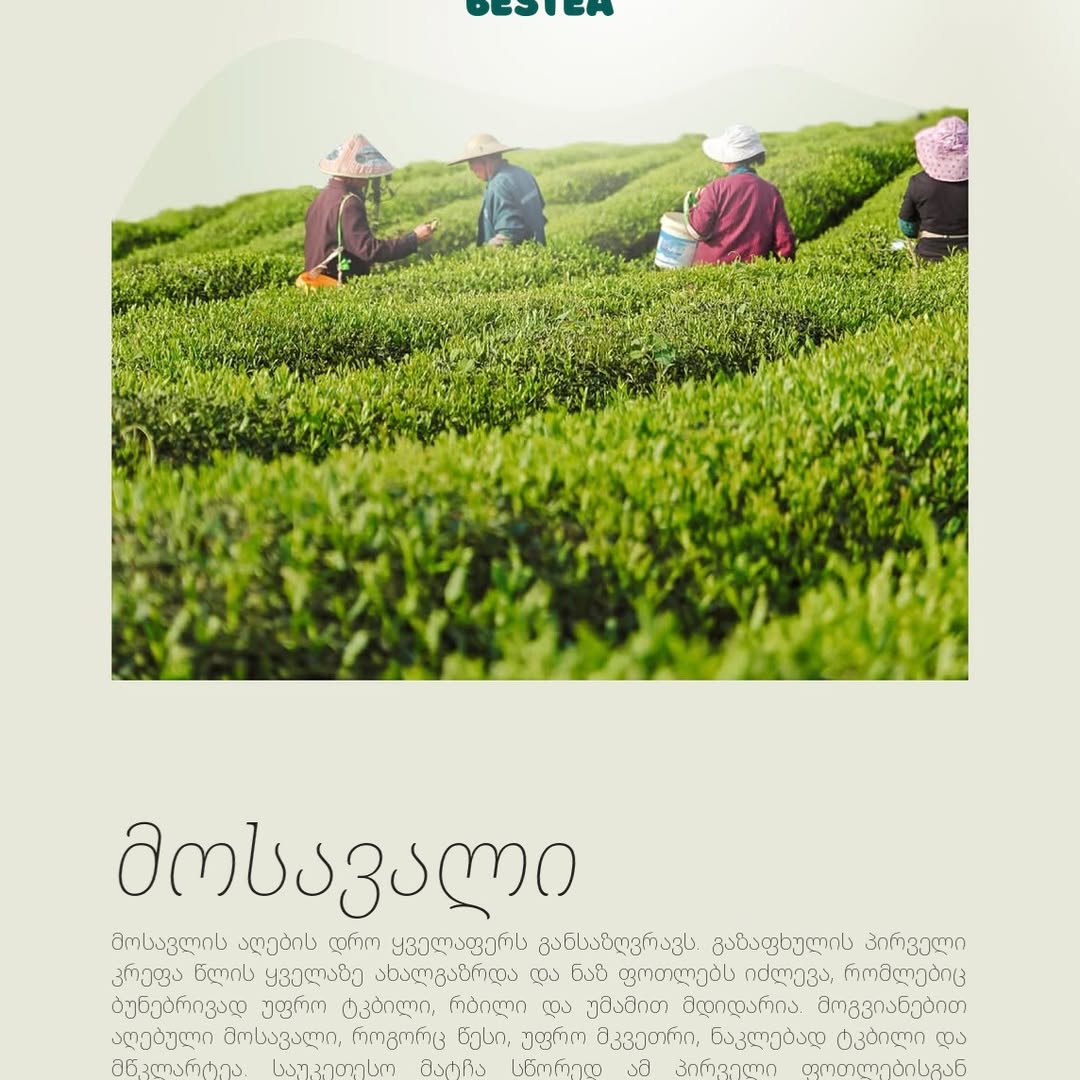
You can taste harvest order without knowing any of this in advance. A first-harvest bowl needs nothing added to it. A late-harvest bowl asks for milk or sugar to sit still — and that is not a flaw in you, it is the leaf.
Umami — the fifth taste
Umami is often called the fifth taste, alongside sweet, salty, sour and bitter. In matcha it is the rich, deep flavour that makes a bowl feel soft, full and pleasant rather than sharp and one-dimensional. The more umami a matcha has, the less bitter and the more balanced it tastes.
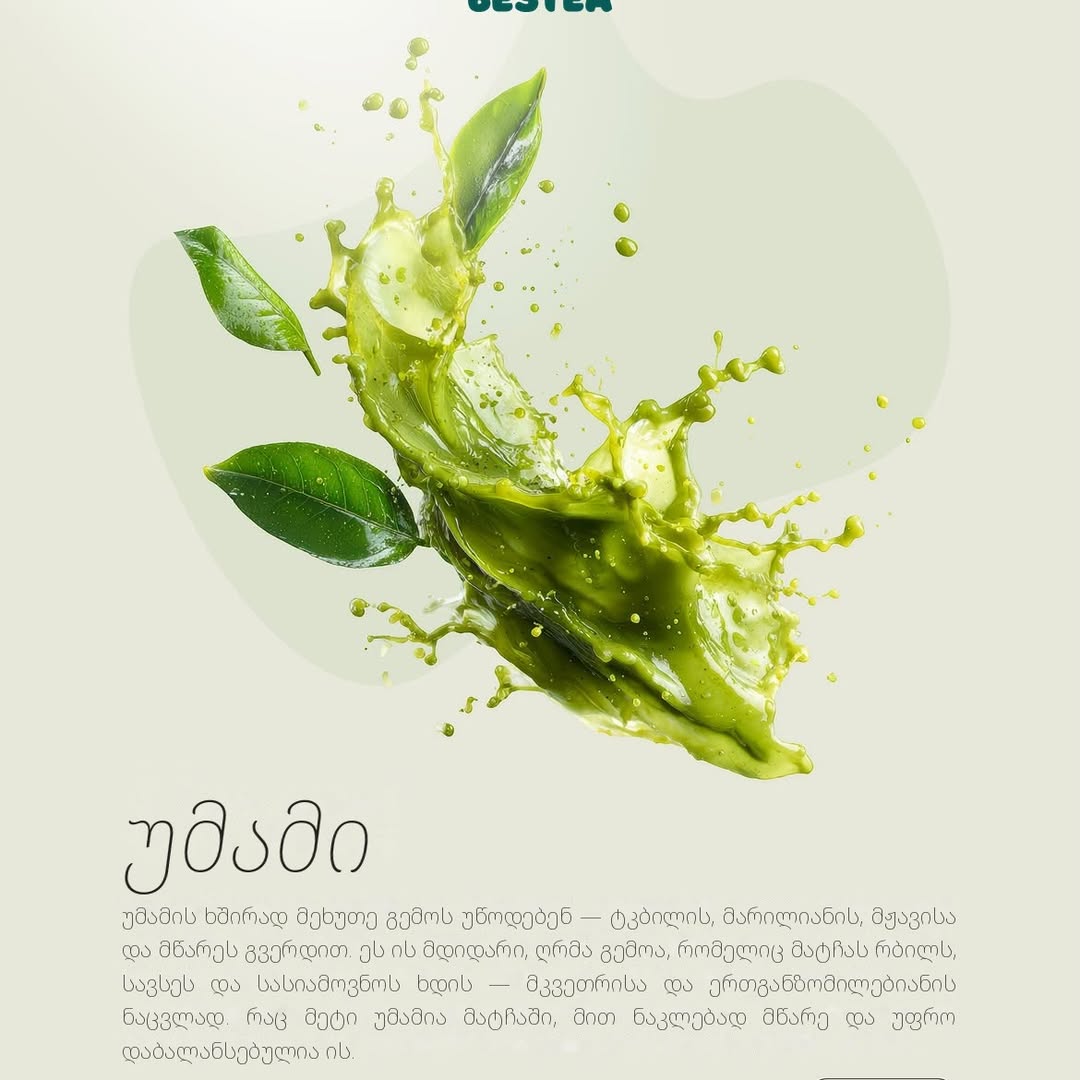
It is the hardest of the five words to explain and the easiest to recognise. Think of the savoury depth in a good stock. If a bowl of matcha coats the mouth and leaves something behind that is not sugar, that is umami.
Cultivar — the variety of the plant
A cultivar is a specific variety of the tea plant, and each one has its own character. Some are creamy. Some are more vegetal. Some are naturally sweet. The cultivar is what gives a matcha its own particular flavour and individuality — the detail you notice by taste before you can put a name to it.
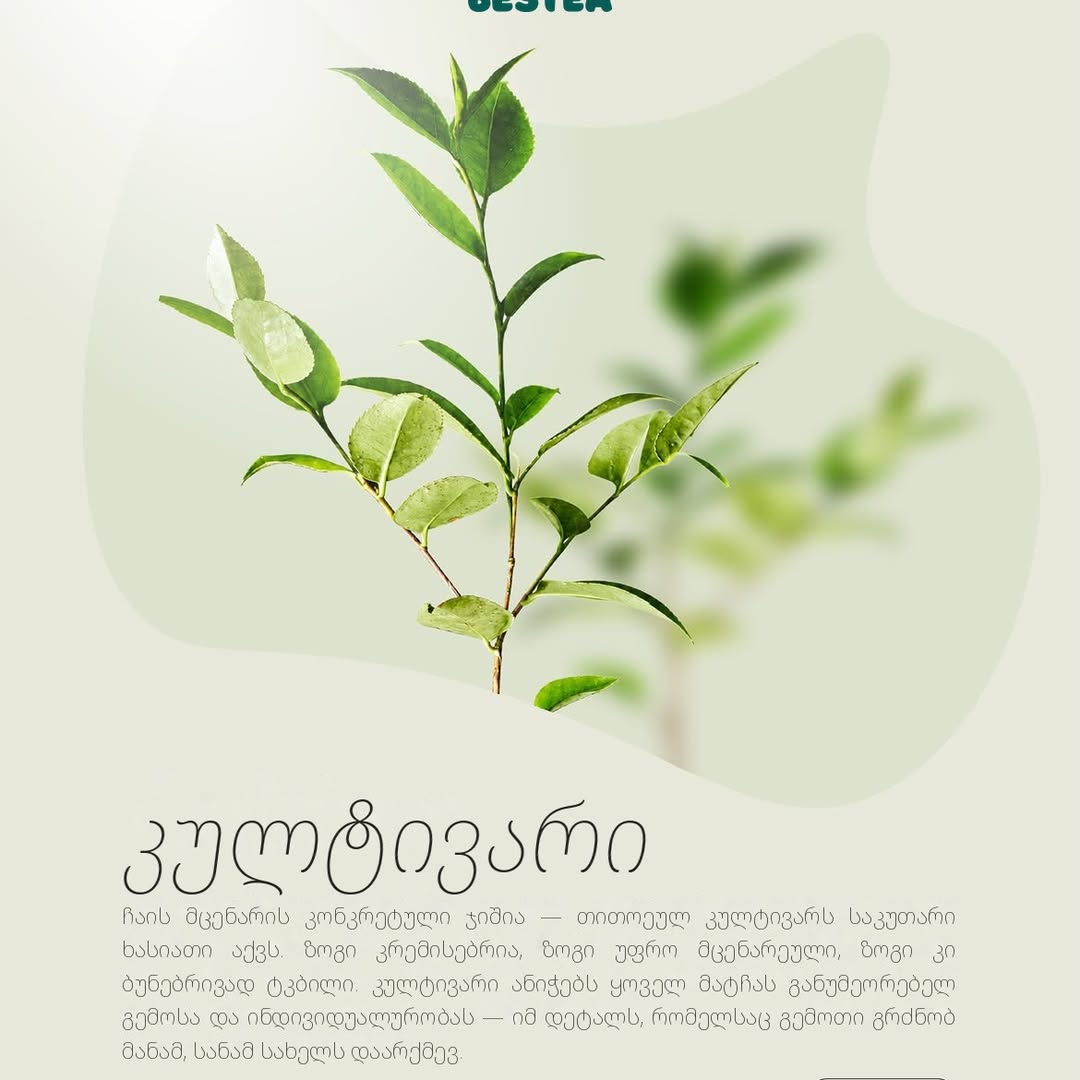
Cultivar names stay in Latin script on a tin, and they are worth reading even if they mean nothing to you yet. Once you have tasted two of them side by side, the name starts to predict the flavour.
Astringency — the dry finish
Astringency is the dry, slightly puckering sensation you notice after you swallow. It is the same feeling dark chocolate or a strong black tea leaves behind. It is a natural property of tea, and it plays a real part in the overall impression of the flavour — a bowl with none at all would taste flat.
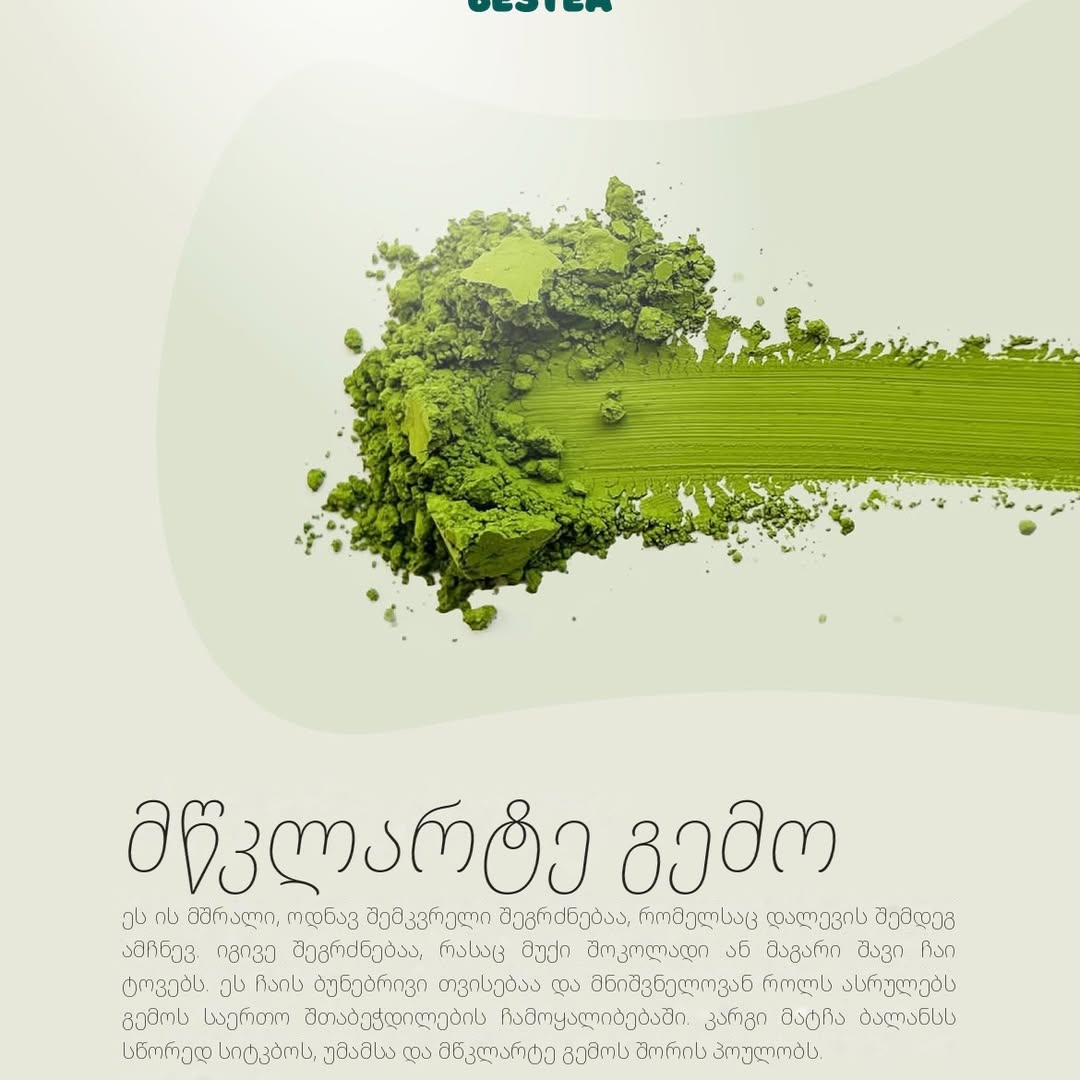
Note that astringency is not bitterness. Bitterness is a taste you register on the tongue; astringency is something you feel in the whole mouth once the liquid has gone. Good matcha finds its balance exactly there — between sweetness, umami and astringency.
How to use the five words
Whisk the same amount of powder the same way twice and change one thing only. Then run the five words in order: where is it from, which harvest, how much umami, which cultivar, how dry is the finish. Two bowls next to each other teach more than ten bowls a week apart.
None of this is specialist language. It is the ordinary vocabulary of the people who grow and sell the leaf, and it stays useful in a shop. Ask which region, ask which harvest, ask which cultivar. If nobody can answer, that answer tells you something too.