Matcha instead of coffee: what changes
Two glasses, side by side: one green, one brown, both over ice. They do the same job in the morning, and they do it differently. Coffee delivers its caffeine on its own and fast. Matcha delivers caffeine inside a whole ground leaf, alongside an amino acid called L-theanine and a set of antioxidant compounds — and that combination is the whole reason people describe the lift as steadier.
Steady energy, not a spike
The complaint about coffee is rarely the taste. It is the shape of the effect: up sharply, then jittery, then flat. Matcha raises your energy without the restlessness that many people associate with coffee. Nothing magic is happening — you are simply taking in the same stimulant packaged with other things the tea plant made, and it reaches you more gradually.
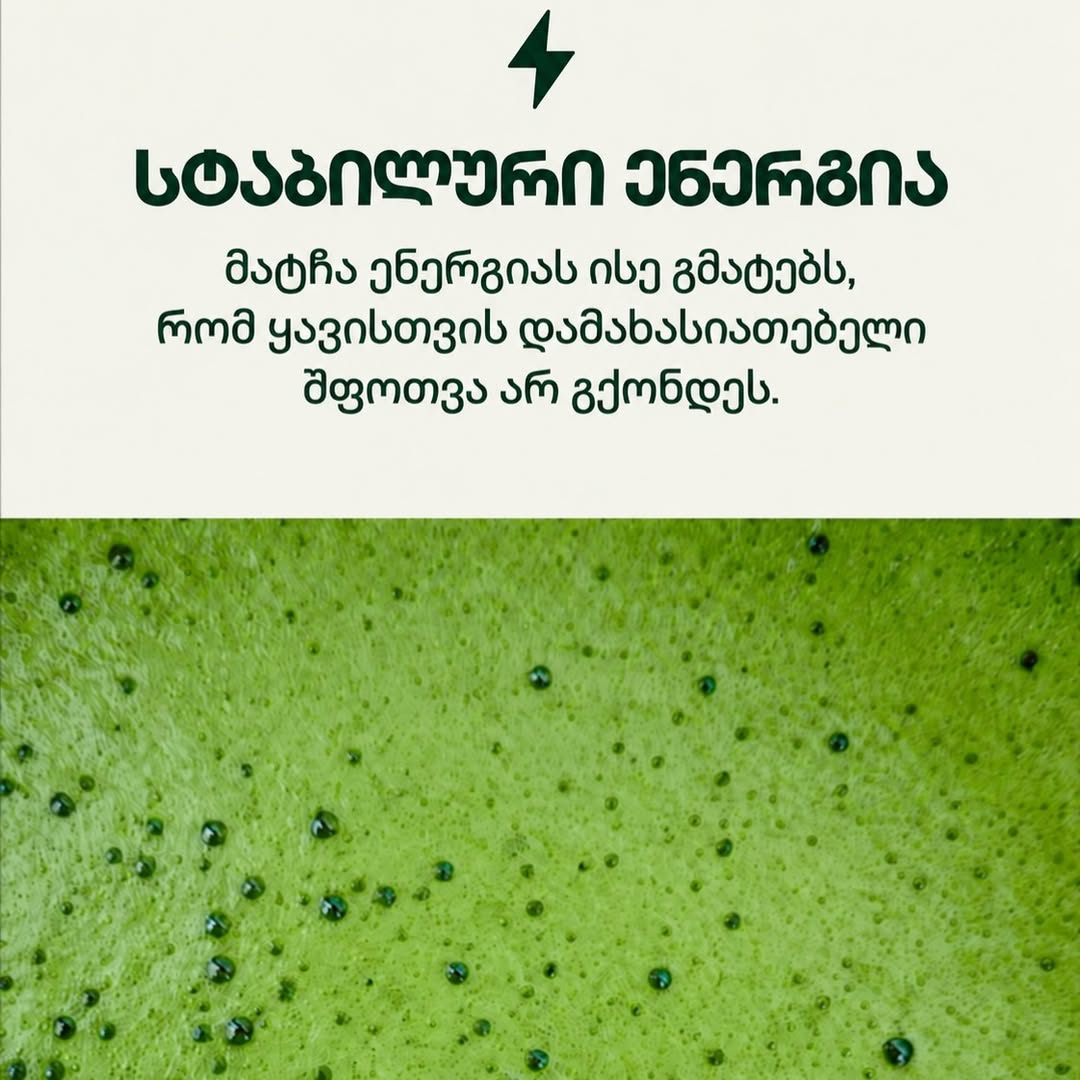
There is a mechanical reason for it as well. Coffee is an extraction — water pulls what it can from the ground bean and the grounds are thrown away. Matcha is a suspension. The powder stays in the liquid, and what you drink is the leaf itself, arriving in your body over a longer stretch of time rather than all at once.
Caffeine plus L-theanine
L-theanine is the amino acid that gives good matcha its sweet, broth-like depth. It is also the part of the equation that explains the different feel. Matcha plus L-theanine equals more balanced, longer-lasting energy — that is the short form of it, and it is the single most useful thing to know if you are considering the swap.
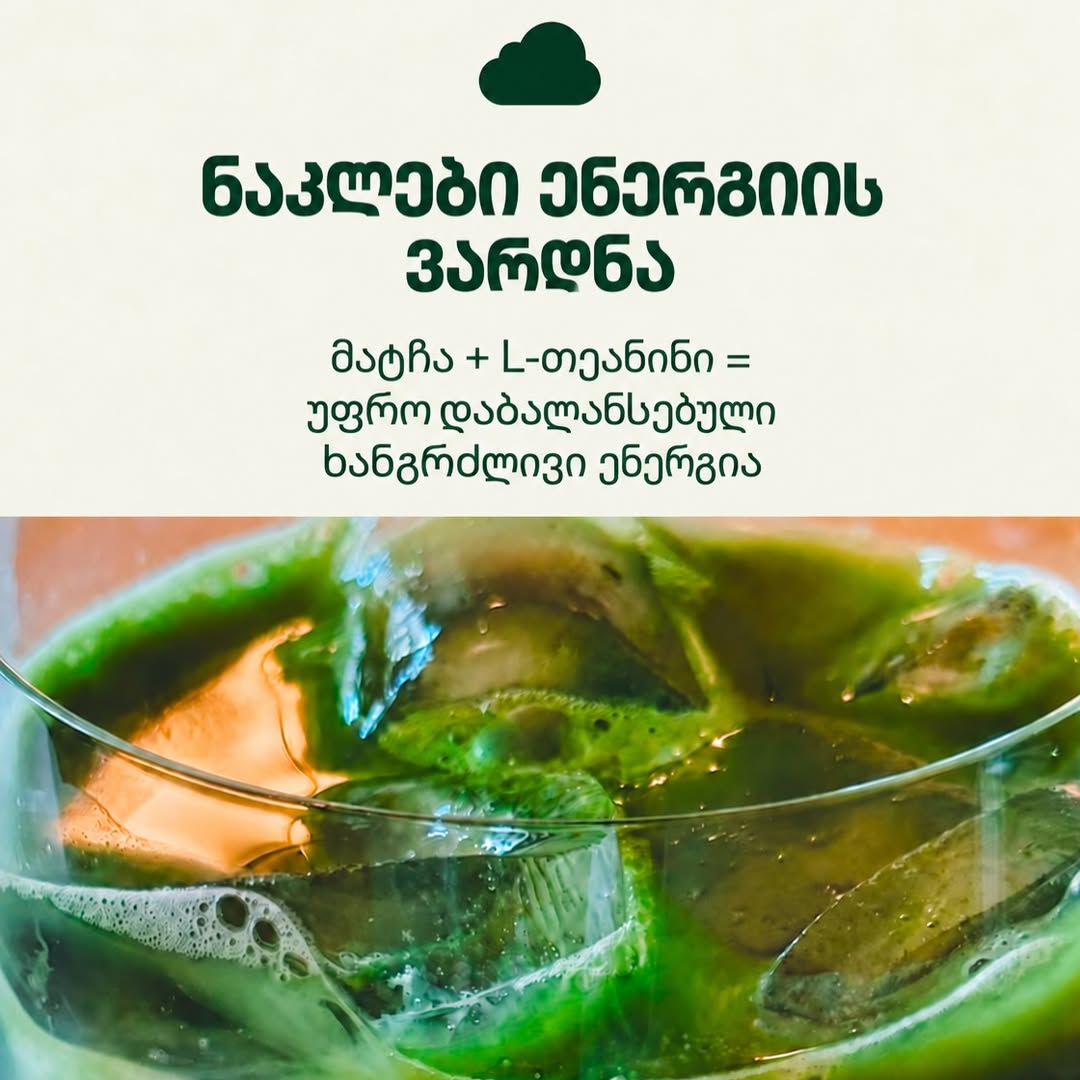
In practice this means a smaller drop afterwards. Coffee tends to arrive and leave quickly, and the leaving is what sends you back for a second cup before midday. A bowl of matcha, or an iced matcha latte, flattens that curve. You notice it most on the days you have to concentrate for three or four hours without a break.
Where the L-theanine comes from
L-theanine is not an additive and it is not sprinkled on. It builds up in the leaf while the bushes are shaded before harvest, which is why first-harvest, shade-grown matcha tastes sweeter and feels smoother than cheap late-harvest powder.
More than caffeine
Matcha is also rich in antioxidants. The main group in green tea leaf is the catechins, and because you swallow the ground leaf rather than straining it out, more of what was in the leaf ends up in the cup. This is not a medical claim — it is a statement about what the powder contains. Coffee is not short of compounds of its own; the difference is that with matcha nothing is left behind in a filter.
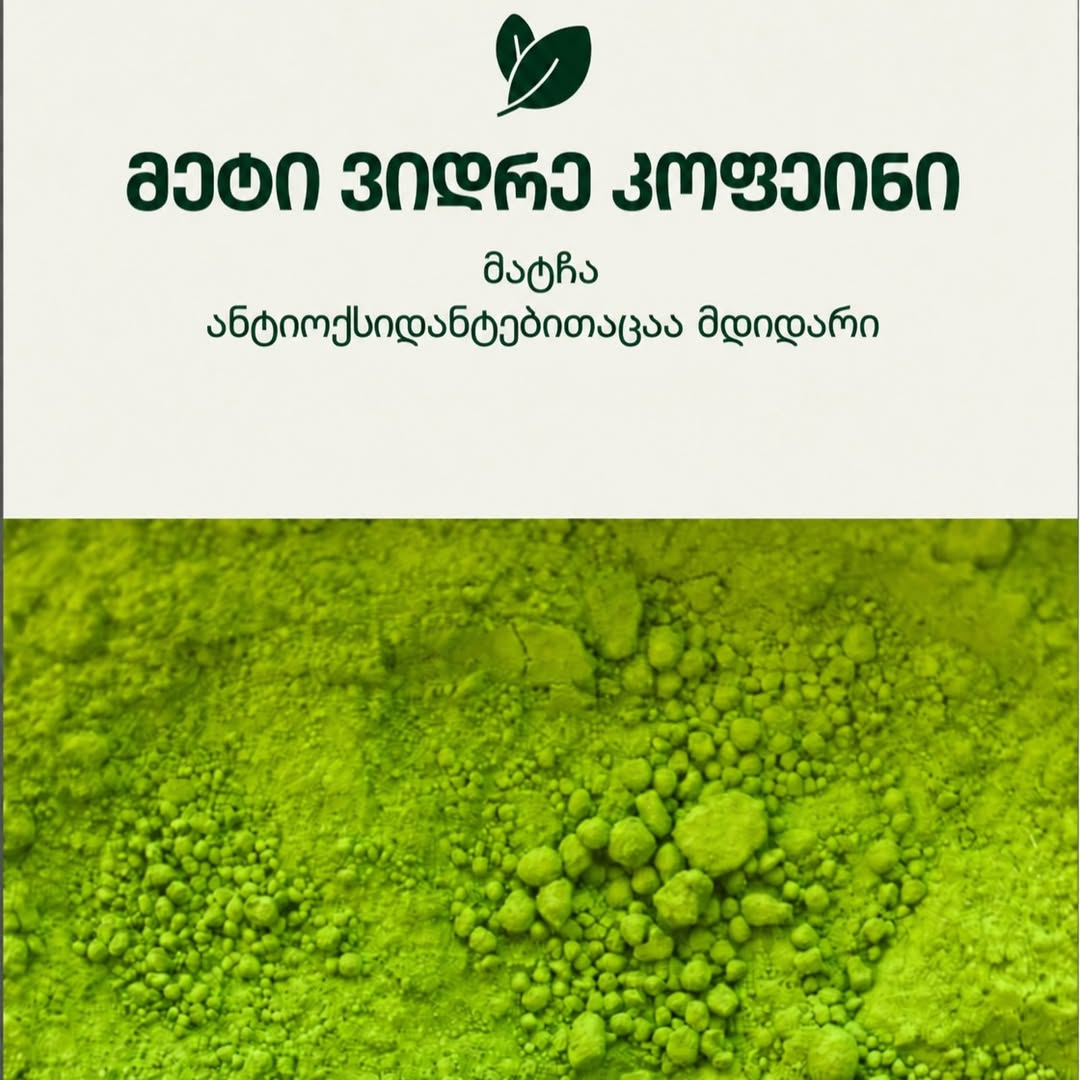
It also means the quality of the powder matters more than it does with a coffee bean you discard. You are eating this leaf. Dull colour, a flat smell, a gritty feel between the fingers — all of it goes into you rather than into the bin.
Making the switch without disappointment
Most people who try matcha once and give up did the same two things: they expected it to taste like coffee, and they drank a cheap late-harvest powder that needed sugar to be drinkable. Neither is a fair test. A few things that help:
- Start with an iced latte. Milk and ice make the first week easy, and the flavour of good matcha survives both.
- Drink it at the same time you would have had coffee. The comparison is only informative if the rest of your morning is unchanged.
- Give it a fortnight. The shape of the energy is what you are testing, and that takes more than one cup to notice.
- Keep the coffee if you like it. This is not a rule about your whole life — plenty of people drink coffee at 8 and matcha at 2.

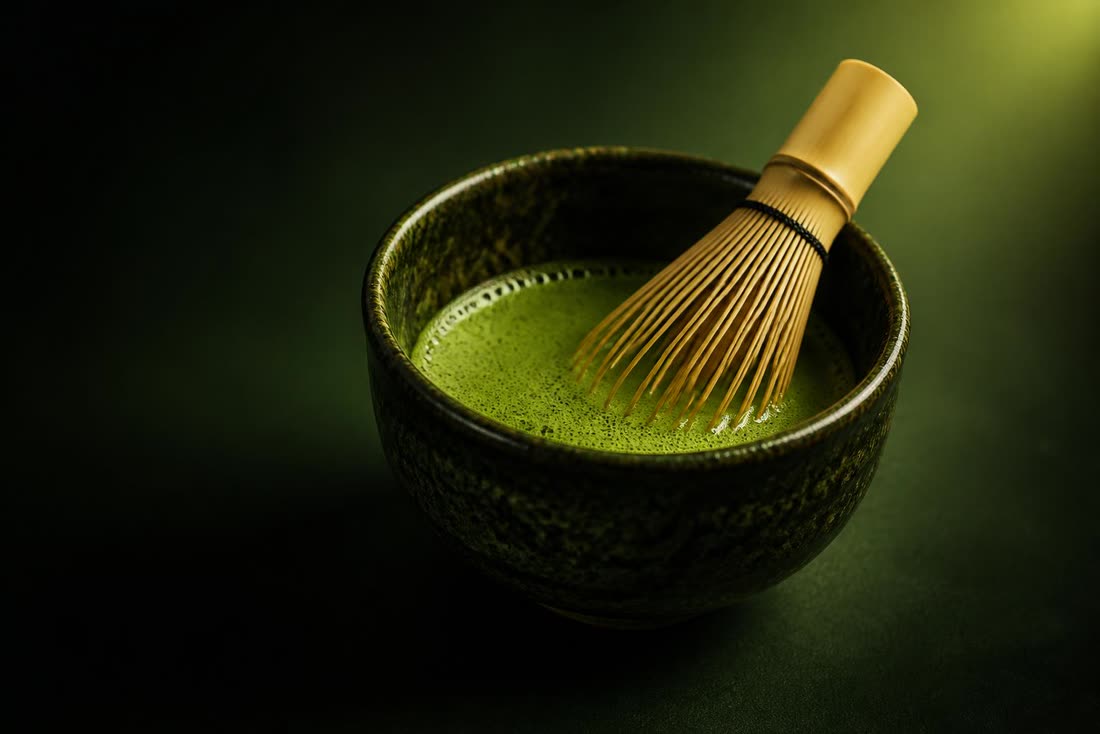
The green glass in the photograph is not a substitute for coffee so much as a different tool. Coffee is a sharp instrument: fast, strong, over quickly. Matcha is a slower one, and the reason is written in the leaf — caffeine, L-theanine and catechins arriving together, in a powder you drink whole.